

Introduction
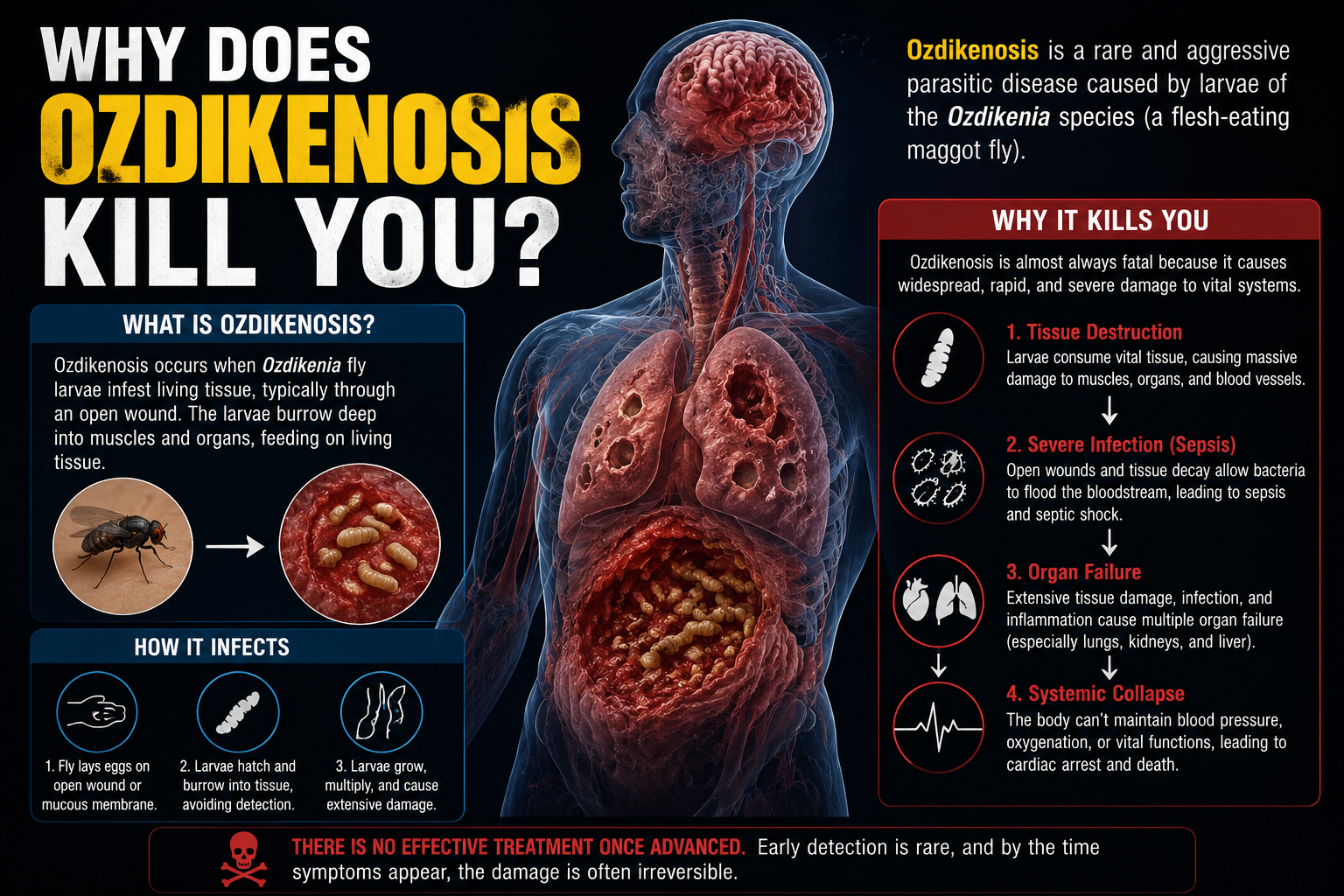
Why Does Ozdikenosis Kill You. The internet has a way of turning obscure words into major talking points overnight. One term that has recently sparked curiosity is ozdikenosis. People search for it, discuss it on forums, and ask questions such as, “What is ozdikenosis?” and “Why does ozdikenosis kill you?” The challenge, however, is that there is no officially recognized medical condition by this name.
Despite the lack of scientific evidence, the keyword has generated significant interest online. Many users encounter the term through social media posts, memes, discussion boards, or viral content. As a result, people naturally become curious and want to know whether it refers to a real disease or some hidden health condition.
Understanding the origins of unusual internet terms is important because misinformation can spread quickly. In this article, we will examine what ozdikenosis appears to be, why people associate it with death, and how critical thinking can help separate fact from fiction. Why Does Ozdikenosis Kill You?
What Is Ozdikenosis?
At present, ozdikenosis does not appear in recognized medical databases, scientific journals, or healthcare reference materials. Organizations responsible for documenting diseases and medical conditions have not listed ozdikenosis as an officially diagnosed illness.
This absence of scientific documentation suggests that the term may have originated as a joke, internet meme, fictional concept, or made-up word. The internet frequently creates phrases that gain popularity despite having no real-world basis. Over time, repeated use can make these terms seem legitimate, especially to people encountering them for the first time.
The confusion surrounding ozdikenosis demonstrates how easily information can spread online. A term does not need scientific credibility to become widely searched. In many cases, curiosity itself fuels popularity, causing more people to ask questions and search for answers. Why Does Ozdikenosis Kill You?
Why Do People Ask, “Why Does Ozdikenosis Kill You?”
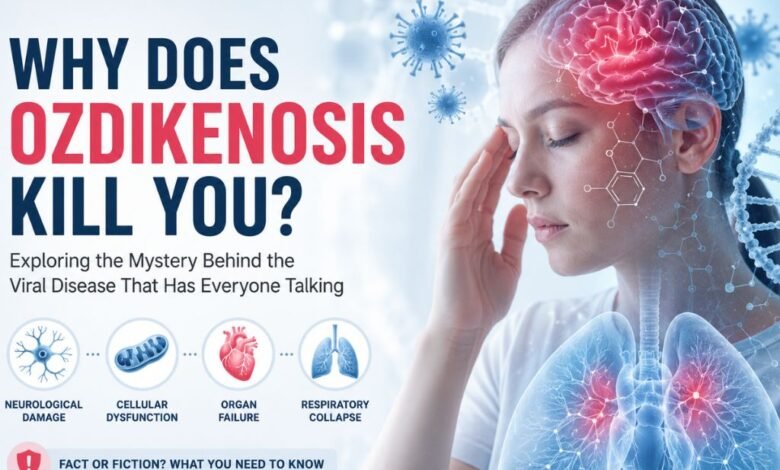
One reason people ask this question is simple curiosity. why does ozdikenosis kill you, When a mysterious term appears alongside discussions of danger or death, it naturally attracts attention. Human beings are drawn to unknown subjects, particularly when they seem threatening.
Another factor is the influence of social media. Viral posts often use dramatic language to encourage engagement. A headline claiming that something is deadly will generate far more clicks than a neutral statement. As a result, fictional or exaggerated concepts can spread rapidly across platforms. Why Does Ozdikenosis Kill You?
Additionally, many internet users encounter the term without context. If someone sees a discussion mentioning ozdikenosis and death, they may assume it refers to a serious illness. This assumption leads them to search for explanations, further increasing the visibility of the keyword.
The Psychology Behind Viral Medical Myths
Medical myths are not new, but the internet has accelerated their spread. Throughout history, rumors about mysterious diseases have circulated whenever people lacked access to reliable information. Today, social media allows these rumors to reach millions within hours.
Fear plays a significant role in this process. Health-related topics naturally trigger emotional responses because they relate to personal safety and survival. When people hear about a supposed condition that can kill, they become motivated to learn more, even if the information lacks credibility. Why Does Ozdikenosis Kill You?
Another psychological factor is repetition. Studies have shown that repeated exposure to a statement can make it seem more believable. If users encounter the word ozdikenosis repeatedly across websites and social platforms, they may begin to assume it represents a real medical condition.
Could a Fictional Disease Be Dangerous?
While a fictional disease cannot directly harm someone, misinformation about health can have serious consequences. People who rely on inaccurate information may misunderstand real medical conditions or delay seeking professional healthcare when necessary. Why Does Ozdikenosis Kill You?
For example, someone experiencing genuine symptoms might spend time researching fictional illnesses instead of consulting a qualified healthcare provider. This can create unnecessary anxiety and confusion while delaying proper diagnosis and treatment.
Moreover, viral misinformation can erode trust in reliable medical sources. When false information spreads widely, it becomes harder for individuals to distinguish between evidence-based guidance and internet rumors. This is why critical evaluation of health information is so important. Why Does Ozdikenosis Kill You?
How Real Diseases Cause Death
To understand why the question about ozdikenosis is misleading, it helps to look at how real diseases cause death. Medical conditions typically lead to death through identifiable biological mechanisms that can be studied and documented.
Some diseases damage vital organs such as the heart, lungs, liver, or brain. When these organs can no longer perform essential functions, the body’s ability to survive becomes compromised. Doctors and researchers can observe these processes and develop treatments based on scientific evidence.
Infectious diseases may overwhelm the immune system, while chronic illnesses can gradually reduce organ function over time. In every legitimate medical case, there is a measurable explanation supported by research. Since ozdikenosis lacks scientific documentation, no such evidence exists regarding its effects. Why Does Ozdikenosis Kill You?
How to Verify Health Information Online
Whenever you encounter an unfamiliar medical term, it is wise to verify the information before accepting it as fact. Reliable sources include government health agencies, recognized hospitals, medical universities, and peer-reviewed scientific journals.
Checking multiple sources can also help identify misinformation. If a condition appears only on discussion forums or social media posts but not in respected medical references, caution is warranted. Legitimate diseases are typically documented by healthcare professionals and researchers.
It is equally important to pay attention to the quality of the source. Sensational headlines are often designed to attract clicks rather than provide accurate information. Reading beyond the headline and evaluating the evidence can prevent misunderstandings. Why Does Ozdikenosis Kill You?
The Role of Internet Culture
Internet culture thrives on creativity, humor, and inside jokes. Many unusual terms gain popularity because people enjoy sharing mysterious or absurd concepts. Ozdikenosis may be one example of a phrase that achieved viral status primarily through curiosity and repetition.
Memes often blur the line between fact and fiction. While many users recognize the joke, others may encounter the content without understanding the context. This creates an environment where fictional concepts can appear surprisingly realistic.
The rapid spread of online trends also contributes to confusion. A term can become widely searched within days, leading people to believe it must have significance. In reality, popularity does not necessarily indicate accuracy or legitimacy.
Should You Be Concerned About Ozdikenosis?
Based on currently available information, there is no evidence that ozdikenosis is a real medical condition. Therefore, there is no scientific reason to believe it poses a health threat or causes death.
However, the discussion surrounding the term highlights an important lesson about digital literacy. Not everything encountered online is accurate, and health-related claims deserve careful evaluation. Developing the habit of verifying information can help protect against misinformation.
If you ever experience concerning symptoms or health issues, consulting a qualified healthcare professional is always more reliable than relying on viral internet trends. Medical experts can provide evidence-based guidance tailored to your specific situation.
Conclusion
The question “Why does ozdikenosis kill you?” reflects the curiosity generated by a mysterious internet term rather than a documented medical reality. Current evidence suggests that ozdikenosis is not a recognized disease and has no verified connection to death or serious health effects.
Its popularity demonstrates how quickly unusual concepts can spread online, especially when they involve mystery, fear, or sensational claims. While curiosity is natural, it is important to approach unfamiliar medical terms with a critical mindset and seek information from trustworthy sources.
Ultimately, ozdikenosis serves as a reminder that not every viral topic is rooted in fact. By verifying information, consulting reliable references, and relying on expert guidance, individuals can navigate the digital world more confidently and avoid being misled by internet myths