

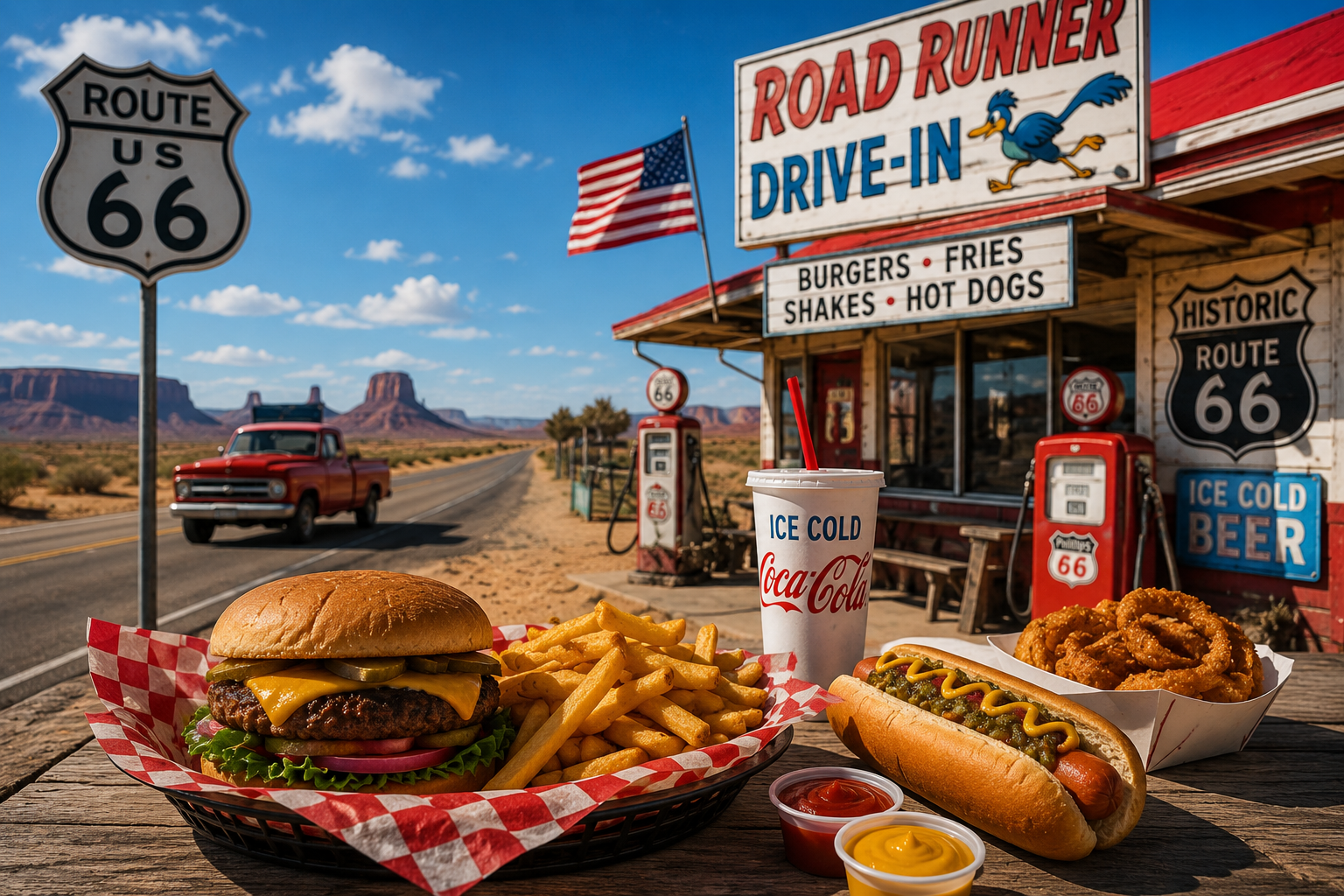
Introduction to Road Food
Road food is more than just quick meals sold on the streets. It represents culture, tradition, and the everyday lifestyle of people from different regions. Whether it is a spicy snack from South Asia, tacos from Mexico, or hot dogs from New York, road food creates a direct connection between travelers and local communities. People often remember a city not only for its landmarks but also for the delicious food they tasted from roadside vendors.
One of the biggest reasons road food is so popular is its accessibility. You do not need to book a fancy restaurant or spend a lot of money to enjoy incredible flavors. Street vendors usually prepare fresh meals in front of customers, making the experience exciting and authentic. The smell of sizzling meat, fresh spices, and grilled vegetables often attracts crowds from every corner of the street.
Road food also reflects creativity. Vendors use local ingredients and traditional recipes while adding their own special touch. Some dishes have been passed down through generations, making them an important part of cultural identity. Tourists often search for famous roadside foods because they want to experience the true taste of a place rather than commercialized dining.
The History and Evolution of Road Food
The history of road food goes back thousands of years. Ancient civilizations sold ready-to-eat meals in busy marketplaces where travelers, workers, and merchants gathered. In cities like Rome and Athens, vendors offered bread, olives, and cooked meat to people who needed quick meals during long working days. Street food became an essential part of urban life because not everyone had kitchens at home.
As trade routes expanded, road food evolved with cultural exchanges. Different spices, cooking methods, and ingredients traveled from one region to another. This is why many modern roadside dishes contain influences from several cultures. For example, many Asian street foods combine flavors introduced through centuries of trade and migration.
In modern times, road food has transformed into a global industry. Food trucks, night markets, and roadside cafes are now common in almost every country. Social media has also played a major role in promoting street food culture. People share photos and videos of unique dishes online, helping local vendors gain international attention. What was once considered simple food for workers is now celebrated by food lovers worldwide.
Why People Love Road Food
One major reason people love road food is the taste. Street vendors often focus on a small number of dishes, allowing them to perfect recipes over many years. Because the food is prepared fresh and served immediately, the flavors tend to be stronger and more satisfying compared to pre-packaged meals.
Another reason is affordability. Road food provides delicious meals at low prices, making it accessible to students, travelers, and families. In many countries, roadside stalls are the best option for enjoying authentic local cuisine without spending too much money. This combination of quality and affordability creates a strong attraction for people from all backgrounds.
Road food also creates a unique social atmosphere. Streets filled with food stalls become lively gathering places where strangers interact and communities connect. People stand together eating snacks, sharing recommendations, and enjoying the energy of the environment. This social experience adds emotional value that many restaurants cannot replicate.
Popular Types of Road Food Around the World
Every country has its own famous road food dishes that reflect local traditions and ingredients. In India and Pakistan, spicy snacks such as chaat, samosas, and bun kebabs are extremely popular. Vendors prepare these dishes quickly while balancing sweet, spicy, and tangy flavors that create unforgettable tastes.
In Southeast Asia, street food culture is incredibly vibrant. Thailand is known for pad thai, mango sticky rice, and grilled seafood sold in crowded night markets. Vietnam offers fresh pho and banh mi sandwiches filled with herbs and vegetables. These foods are loved because they combine freshness with rich flavors at affordable prices.
Western countries also have strong road food traditions. The United States is famous for hot dogs, burgers, and food trucks serving fusion cuisine. Mexico is globally recognized for tacos, elotes, and tamales sold on busy streets. European countries have their own specialties as well, such as crepes in France and currywurst in Germany. These dishes show how road food connects people through simple but flavorful meals.
Health and Hygiene in Road Food
Health and hygiene are important topics when discussing road food. Since meals are often prepared in open environments, cleanliness plays a major role in customer trust. Responsible vendors understand this and maintain proper hygiene standards by using clean utensils, fresh ingredients, and safe cooking practices.
Travelers are usually advised to choose busy food stalls because high customer traffic often indicates freshness and quality. Food that is cooked in front of customers is generally considered safer because it reduces the risk of contamination. Observing the vendor’s cleanliness habits can also help people make better choices while exploring roadside cuisine.
Governments in many countries have started supporting street food vendors through regulations and training programs. Some cities organize official food markets where vendors can operate under health guidelines while still preserving traditional cooking methods. This balance between safety and authenticity helps street food culture continue to grow worldwide.
The Role of Road Food in Tourism
Road food has become one of the strongest attractions for tourists. Many travelers specifically visit famous food streets and night markets to experience local flavors. Food tourism has grown rapidly because people want authentic cultural experiences instead of ordinary sightseeing.
Street food allows tourists to connect with local communities in a natural way. Eating at roadside stalls creates opportunities to interact with vendors and learn about regional traditions. These small conversations often leave lasting memories that become an important part of travel experiences.
Social media has increased the popularity of food tourism even further. Viral videos and travel blogs regularly highlight unique roadside dishes from around the world. As a result, many local vendors have gained international recognition and expanded their businesses. This exposure benefits both tourism industries and small food entrepreneurs.
Challenges Faced by Road Food Vendors
Despite its popularity, the road food industry faces several challenges. One major issue is competition. In busy cities, many vendors sell similar dishes, making it difficult for small businesses to stand out. Vendors often need creativity and consistency to attract loyal customers.
Weather conditions can also affect roadside businesses. Rain, extreme heat, and cold temperatures can reduce customer traffic and damage food supplies. Unlike restaurants, street vendors often have limited protection from environmental conditions, which makes their work physically demanding.
Another challenge is government regulation. Some cities impose strict licensing rules or limit where vendors can operate. While regulations are important for safety, they can also create financial pressure for small vendors. Finding the right balance between regulation and opportunity remains an ongoing issue in many countries.
How Technology is Changing Road Food
Technology has significantly changed the road food industry in recent years. Mobile payment systems now allow customers to pay quickly without carrying cash. This convenience has improved customer experiences and helped vendors increase sales.
Food delivery apps have also transformed roadside dining. Many street vendors can now reach customers who prefer ordering from home. This digital shift became especially important during global health crises when outdoor dining restrictions affected businesses. Vendors who adapted to online delivery services were often able to survive difficult periods.
Social media marketing has become another powerful tool. Vendors use platforms like Instagram, TikTok, and Facebook to showcase their dishes and attract customers. A single viral food video can turn a small roadside stall into a famous destination overnight. Technology has therefore opened new opportunities while preserving traditional cooking cultures.
The Future of Road Food
The future of road food looks bright because people continue to value authentic and affordable dining experiences. Younger generations are especially interested in exploring unique flavors and supporting local businesses. This growing interest ensures that roadside cuisine will remain an important part of global food culture.
Sustainability is likely to become a major focus in the future. Many vendors are already reducing plastic use and choosing eco-friendly packaging. Customers are becoming more aware of environmental issues, which encourages businesses to adopt greener practices while maintaining food quality.
Innovation will also continue shaping the industry. Fusion cuisine, healthier ingredients, and creative presentation styles are becoming more common in street food markets. While road food evolves with modern trends, its core identity remains the same: fresh, flavorful, and deeply connected to local culture.
Conclusion
Road food is far more than a convenient meal on the side of the street. It represents history, culture, creativity, and human connection. From ancient marketplaces to modern food trucks, roadside cuisine has continued evolving while preserving authentic flavors that people love.
The popularity of road food comes from its affordability, freshness, and social atmosphere. Whether someone is tasting spicy snacks in South Asia, tacos in Mexico, or grilled seafood in Thailand, roadside meals create memorable experiences that often define travel adventures.
As technology and tourism continue influencing the industry, road food will likely become even more important in global culture. Despite challenges related to hygiene, competition, and regulation, street food vendors remain an essential part of urban life. Their passion, creativity, and dedication ensure that the tradition of road food will continue delighting people for generations to come.