

Introduction
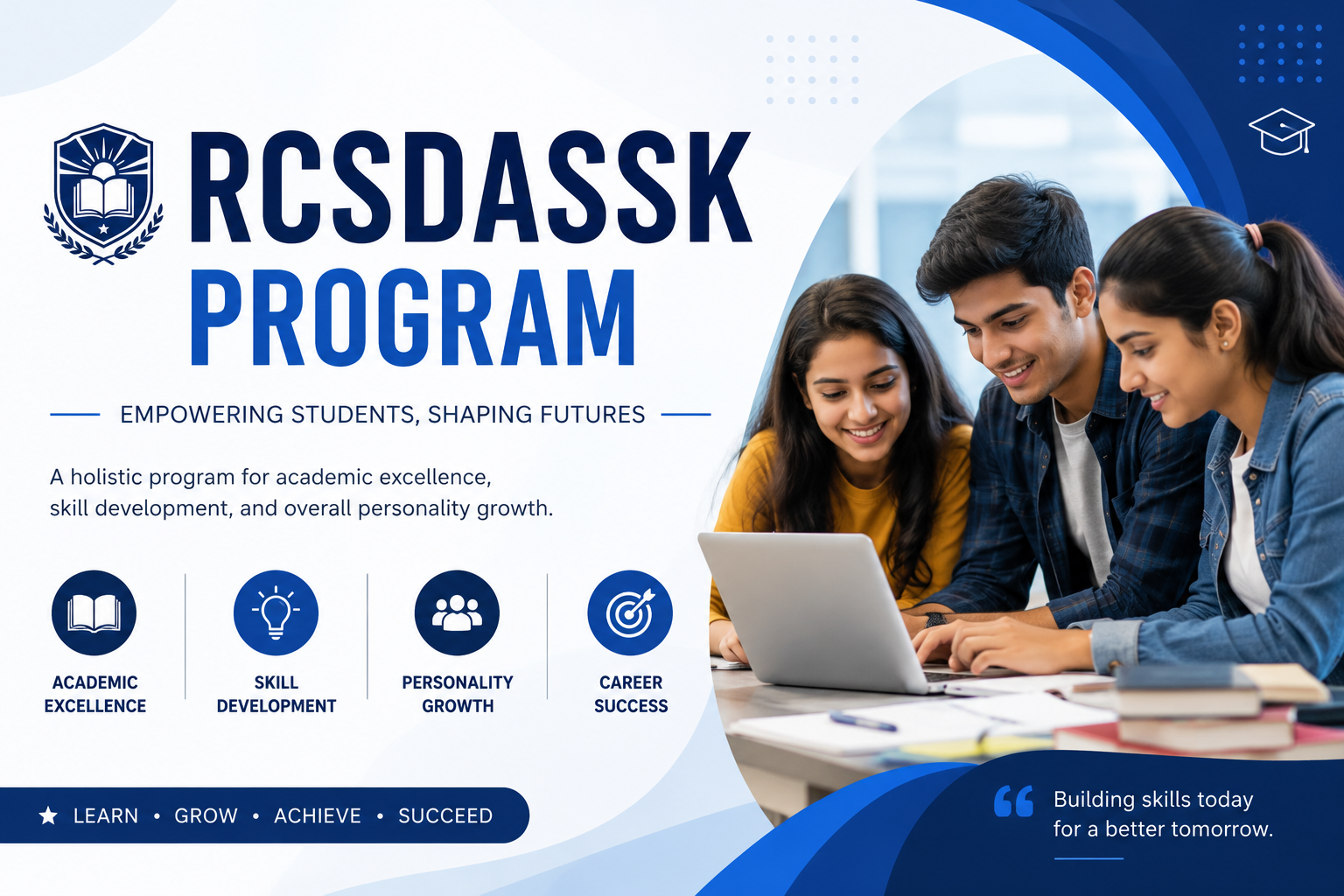
The RCSDASSK Program has recently gained attention as more people search for information about it online. Despite the growing interest, there is still limited publicly available information explaining what the program is, how it works, and who it is designed for. This lack of clear guidance often leaves people confused, especially those trying to determine whether the program is relevant to their personal or professional needs.
Whenever a program begins attracting attention, it is important to understand its purpose before making assumptions. Many online discussions contain incomplete or outdated information, making it difficult to separate facts from speculation. Taking the time to learn about the program’s goals, possible benefits, and practical applications helps individuals make informed decisions instead of relying on rumors.
This guide provides a detailed overview of the RCSDASSK Program, covering its objectives, features, potential advantages, and the reasons why it may be valuable. Whether you are researching it for educational purposes, professional interest, or simple curiosity, this article will give you a comprehensive understanding in easy-to-follow language.
What Is the RCSDASSK Program?
The RCSDASSK Program appears to be a structured initiative designed to support a specific set of objectives within an organization, educational environment, government department, or private institution. While the exact implementation may differ depending on the organization using the name, programs like RCSDASSK are generally developed to improve efficiency, coordination, skill development, or service delivery.
Programs with specialized names often combine multiple areas of responsibility into one organized framework. Instead of focusing on a single activity, they may include training, monitoring, reporting, collaboration, and continuous improvement. This allows participants to work toward clearly defined goals while maintaining consistency across different departments or teams.
Understanding the RCSDASSK Program requires looking beyond the name itself. Like many structured programs, its value comes from the systems, processes, and objectives it establishes. Successful implementation depends on proper planning, clear communication, and ongoing evaluation to ensure expected outcomes are achieved.
Main Objectives of the RCSDASSK Program
Every successful program is built around specific goals, and the RCSDASSK Program is no exception. One of its primary objectives is likely to create a more organized approach to managing tasks, resources, or participants. By following standardized procedures, organizations can improve consistency and reduce unnecessary errors.
Another important objective is improving collaboration. Whether participants are employees, students, administrators, or community members, structured programs encourage better communication and teamwork. Everyone understands their responsibilities, which helps projects move forward more efficiently while minimizing confusion.
The program may also focus on long-term development rather than short-term results. Instead of solving immediate problems alone, it aims to establish sustainable practices that continue delivering value over time. This forward-thinking approach often leads to stronger performance, better decision-making, and continuous improvement.
Key Features of the RCSDASSK Program
One of the defining characteristics of the RCSDASSK Program is its structured framework. Rather than leaving participants to figure everything out independently, the program provides guidelines, procedures, and clearly defined expectations. This organized approach creates consistency across different stages of implementation.
Another notable feature is performance monitoring. Most well-designed programs include methods for tracking progress and evaluating results. Regular assessments help identify strengths, address weaknesses, and ensure objectives remain on track. This continuous evaluation allows improvements to be made whenever necessary.
Flexibility is another valuable feature. While the program follows a structured process, it can often be adapted to suit different organizational needs or changing circumstances. This balance between consistency and flexibility makes the program more practical in real-world situations where conditions frequently evolve.
Benefits of the RCSDASSK Program
One of the biggest advantages of the RCSDASSK Program is improved organization. Clear procedures help participants understand what needs to be done, when tasks should be completed, and how responsibilities are assigned. This reduces confusion while improving productivity across the entire program.
The program can also enhance accountability. When expectations are clearly documented, participants become more responsible for completing assigned work. Managers or administrators can monitor progress more effectively, identify delays early, and provide support whenever challenges arise.
Another significant benefit is better resource management. Whether dealing with time, funding, equipment, or personnel, organized planning ensures resources are used efficiently. Reducing waste while maximizing available resources helps organizations achieve better outcomes without unnecessary expenses.
Who Can Benefit from the RCSDASSK Program?
Depending on its implementation, the RCSDASSK Program may serve a wide range of participants. Educational institutions could use it to improve student support services, staff training, or administrative operations. Structured programs often help schools maintain consistency while improving educational quality.
Businesses and organizations may also benefit by using the program to streamline internal processes, strengthen employee development, or improve project management. Standardized procedures reduce operational inefficiencies while creating a more productive working environment.
Government agencies, nonprofit organizations, and community groups can also find value in programs like RCSDASSK. Coordinating multiple stakeholders requires careful planning and communication, and structured frameworks help ensure everyone works toward shared objectives with greater efficiency.
Challenges That May Arise During Implementation
Although the RCSDASSK Program offers numerous advantages, implementing any new system comes with challenges. One common issue is resistance to change. Participants who are comfortable with existing processes may hesitate to adopt new procedures until they understand the benefits.
Training is another important consideration. Even the most well-designed program cannot succeed if participants do not receive proper guidance. Investing time in education and practical instruction helps individuals gain confidence while reducing implementation errors during the early stages.
Resource limitations can also affect success. Organizations must allocate sufficient time, budget, and personnel to support the program effectively. Without adequate resources, even excellent plans may struggle to achieve their intended outcomes.
Best Practices for Successful Implementation
Successful implementation begins with careful planning. Organizations should establish clear goals, define responsibilities, and create realistic timelines before launching the RCSDASSK Program. Proper preparation minimizes confusion and creates a smoother transition for everyone involved.
Communication plays an equally important role. Participants should understand why the program is being introduced, what changes to expect, and how it will benefit both individuals and the organization. Open communication encourages cooperation while reducing uncertainty.
Continuous evaluation ensures long-term success. Gathering feedback, reviewing performance data, and making necessary adjustments allow the program to evolve over time. Organizations that regularly assess their progress are better positioned to achieve lasting improvements.
Why the RCSDASSK Program Is Becoming More Popular
Interest in structured management and development programs continues to grow as organizations seek more efficient ways to achieve their goals. The RCSDASSK Program reflects this broader trend by emphasizing organization, accountability, and continuous improvement rather than relying solely on traditional approaches.
Technology has also increased awareness of specialized programs. As more information becomes available online, individuals actively search for systems that can improve productivity, learning, or organizational performance. This growing curiosity contributes to the increasing visibility of programs like RCSDASSK.
Another reason for its popularity is the demand for measurable results. Modern organizations increasingly rely on data-driven decision-making, and structured programs provide clear methods for tracking progress and evaluating outcomes. This practical approach appeals to both managers and participants.
Common Misconceptions About the RCSDASSK Program
A common misconception is that the RCSDASSK Program is only suitable for large organizations. In reality, structured programs can often be adapted to fit small businesses, educational institutions, nonprofit organizations, and community projects with equal effectiveness.
Some people also believe that implementing a structured program automatically creates unnecessary complexity. However, when designed properly, the goal is actually to simplify operations by providing clear procedures and reducing confusion rather than adding extra work.
Another misunderstanding is that results appear immediately. Like any well-planned initiative, meaningful improvements require consistent effort, ongoing monitoring, and patience. Organizations that remain committed to the process generally experience stronger long-term outcomes than those expecting instant success.
Conclusion
The RCSDASSK Program represents a structured approach to improving organization, collaboration, accountability, and long-term performance. Although publicly available information about the program may still be limited, understanding its likely objectives and operational framework helps individuals appreciate its potential value across various sectors.
Whether implemented in education, business, government, or community organizations, the program encourages better planning, stronger communication, and continuous improvement. These qualities contribute to more effective decision-making while helping participants achieve clearly defined goals in an organized manner.
As interest in efficient management systems continues to grow, programs like RCSDASSK are expected to attract even greater attention. Anyone considering involvement with the RCSDASSK Program should focus on understanding its objectives, following best practices, and remaining committed to continuous learning. By doing so, both individuals and organizations can maximize the benefits the program has to offer.