

Introduction to Childhood Trauma Test Pictures
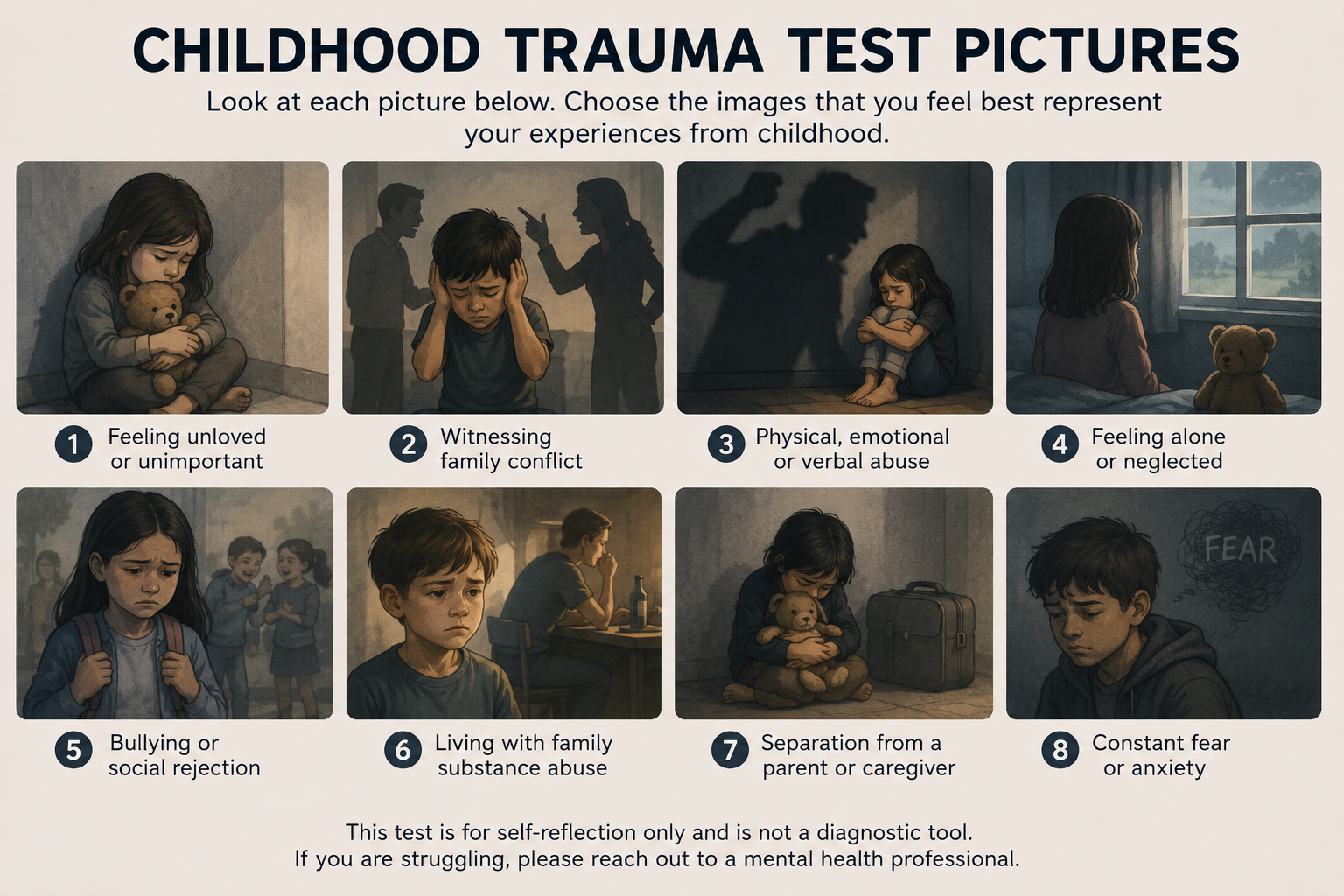
Childhood trauma test pictures. The topic of childhood trauma has gained significant attention in recent years as more people recognize the lasting impact that early life experiences can have on emotional well-being. Among the many tools and resources available online, childhood trauma test pictures have become increasingly popular. These visual assessments often claim to reveal hidden emotions, unresolved childhood issues, or psychological patterns based on what a person notices first in an image.
Many people are naturally curious about these tests because they appear simple and engaging. Instead of answering a long list of questions, participants only need to look at a picture and describe what they see. The results are often presented as insights into personality traits, emotional wounds, or childhood experiences.
While these tests can be entertaining and thought-provoking, it is important to understand their purpose and limitations. They should not be viewed as professional psychological evaluations. Instead, they can serve as conversation starters that encourage self-reflection and personal awareness.
What Are Childhood Trauma Test Pictures?
Childhood trauma test pictures are visual images designed to trigger different interpretations depending on the viewer’s perspective. These images often contain multiple objects, hidden figures, or optical illusions that allow different people to notice different elements first. The theory behind these tests is that an individual’s perception may reflect certain emotional tendencies or subconscious thoughts.
For example, a picture may contain both a child and an older person hidden within the same image. Depending on which figure a person notices first, the test may provide a specific interpretation about their emotional state or unresolved experiences. Similar visual tests have been shared widely on social media platforms, blogs, and psychology-related websites.
The popularity of these pictures stems from their simplicity. People enjoy discovering new aspects of themselves, and visual tests provide quick results without requiring extensive effort. However, it is essential to remember that human perception is influenced by many factors, including mood, environment, personal experiences, and even lighting conditions. childhood trauma test pictures
The Connection Between Visual Perception and Trauma
Researchers have long studied how trauma affects the brain and influences perception. Individuals who have experienced difficult events during childhood may process information differently than those who have not faced similar challenges. Trauma can impact attention, memory, emotional regulation, and the way people interpret situations around them.
Visual perception tests attempt to connect these psychological processes with image interpretation. The idea is that subconscious experiences may influence what captures a person’s attention first. While there is some scientific evidence suggesting that trauma can affect cognitive processing, the connection is far more complex than most online image tests suggest.
A person’s reaction to an image cannot fully reveal their psychological history. Childhood trauma is a multifaceted issue involving emotional, physical, social, and neurological factors. Professional assessments typically require detailed interviews, validated questionnaires, and clinical expertise rather than a single image-based exercise. childhood trauma test pictures
Common Types of Childhood Trauma Test Pictures
One of the most common categories involves optical illusions. These images contain multiple interpretations, and viewers are asked to identify what they see first. The resulting explanations often claim to uncover hidden personality traits or emotional patterns connected to childhood experiences.
Another popular type features symbolic artwork. These illustrations may include forests, houses, animals, or family scenes. Participants are encouraged to interpret the images, and their responses are linked to emotional themes such as trust, abandonment, fear, or resilience.
Some tests use abstract designs and psychological imagery. These pictures may contain shapes, shadows, or unusual visual elements intended to stimulate subconscious associations. The interpretations often focus on emotional sensitivity, coping mechanisms, and interpersonal relationships.
Can These Pictures Accurately Detect Childhood Trauma?
The short answer is no. While childhood trauma test pictures may encourage self-reflection, they cannot accurately diagnose trauma or mental health conditions. Scientific diagnosis requires evidence-based methods developed through extensive research and clinical validation.
Most online visual tests lack the reliability and consistency necessary for psychological assessment. Two people with similar childhood experiences may interpret the same image differently, while two individuals with completely different backgrounds may notice the same element first. This variability makes it difficult to draw meaningful conclusions about trauma history.
Mental health professionals rely on structured approaches when evaluating trauma. They consider symptoms, behavioral patterns, emotional responses, personal history, and current functioning. A single image cannot provide enough information to replace this comprehensive process.
Why People Find These Tests So Interesting
One reason these tests attract attention is that they provide immediate results. In today’s fast-paced digital world, people appreciate content that offers quick insights and requires minimal effort. Looking at a picture for a few seconds feels much easier than completing a lengthy questionnaire.
Another factor is the natural human desire for self-discovery. Most individuals are curious about their emotions, personality traits, and life experiences. Childhood trauma test pictures tap into this curiosity by presenting intriguing interpretations that feel personal and meaningful. childhood trauma test pictures
Social media has also contributed to their popularity. These tests are highly shareable and often generate discussions among friends and family members. People enjoy comparing results and exploring how different individuals perceive the same image in unique ways.
Signs of Childhood Trauma Beyond Visual Tests
Rather than relying solely on online picture tests, it is more helpful to understand the actual signs associated with childhood trauma. These signs can vary from person to person but often include difficulties with trust, emotional regulation, self-esteem, and relationship building.
Some individuals may experience persistent anxiety, feelings of worthlessness, or heightened sensitivity to stress. Others may struggle with boundaries, conflict resolution, or maintaining healthy interpersonal connections. These challenges can sometimes continue into adulthood if the underlying issues remain unaddressed.
Physical symptoms may also occur. Chronic stress associated with childhood trauma can affect sleep patterns, energy levels, concentration, and overall health. Recognizing these signs is often a more meaningful step toward understanding emotional well-being than relying on image-based assessments alone.
Healthy Ways to Explore Childhood Experiences
Self-reflection can be a valuable tool for personal growth. Journaling, mindfulness practices, and thoughtful conversations with trusted individuals can help people gain deeper insight into their emotional experiences and behavioral patterns.
Professional counseling is another effective option. Therapists are trained to help individuals explore childhood experiences in a safe and supportive environment. Through evidence-based approaches, they can assist people in understanding how past events may influence present thoughts and behaviors.
Educational resources such as books, workshops, and mental health courses can also provide valuable knowledge. Learning about trauma, resilience, and emotional development often empowers individuals to better understand themselves and make positive changes in their lives.
Conclusion
Childhood trauma test pictures have become a popular form of online self-exploration. Their engaging visuals and instant interpretations make them appealing to people seeking insights into their emotions and past experiences. While these tests can be entertaining and may encourage reflection, they should not be considered reliable tools for diagnosing trauma or mental health conditions.
Understanding childhood trauma requires a deeper and more comprehensive approach. Emotional experiences are complex, and no single image can accurately reveal the full story of a person’s past. Professional guidance, self-awareness, and evidence-based resources remain the most effective ways to explore and address childhood trauma.
Ultimately, childhood trauma test pictures can serve as interesting conversation starters, but genuine understanding comes from thoughtful reflection, education, and, when necessary, professional support. By approaching these tests with curiosity rather than certainty, individuals can enjoy them while maintaining realistic expectations about what they can truly reveal.