

Introduction
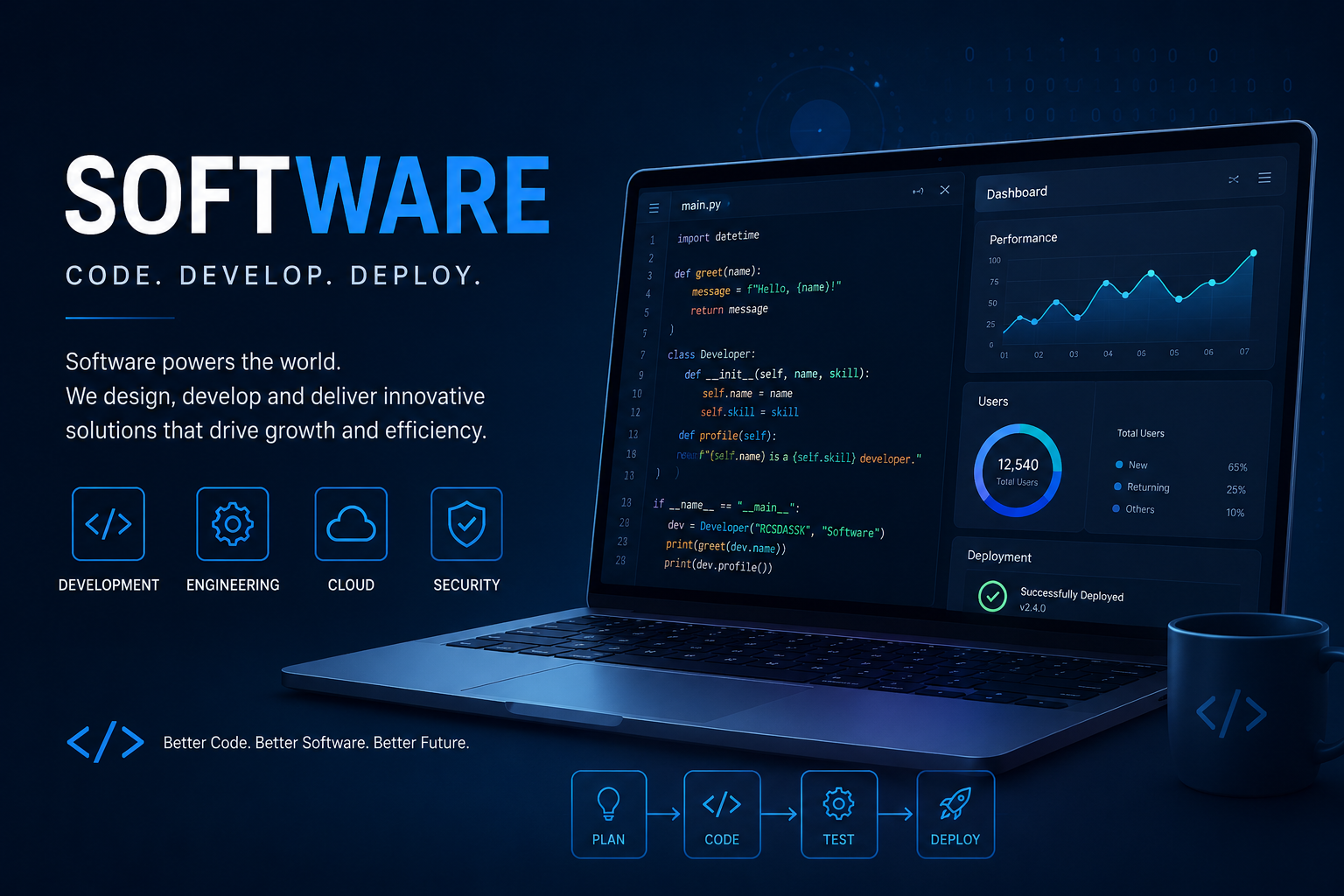
Software rcsdassk. The software industry continues to evolve at an incredible pace, introducing new tools designed to improve productivity, automate repetitive tasks, and simplify complex workflows. One of the names that has recently attracted attention is Software RCSDASSK. While it may not yet be as widely recognized as mainstream enterprise software, it represents the growing trend of specialized digital solutions created to address modern business and technical challenges.
Whether you are a business owner, IT professional, freelancer, or simply someone interested in emerging software technologies, understanding Software RCSDASSK can help you determine whether it fits your workflow. Like many modern applications, it focuses on improving efficiency, reducing manual effort, and creating a more organized working environment.
This article explores Software RCSDASSK in detail, including its features, benefits, applications, advantages, limitations, implementation process, and future potential. By the end, you will have a comprehensive understanding of what Software RCSDASSK offers and why many professionals are beginning to take notice.
What is Software RCSDASSK
Software RCSDASSK is a modern digital platform designed to streamline operations through automation, organized data management, and intelligent workflow support. Although the exact implementation may vary depending on the organization using it, the software is generally intended to simplify daily processes that would otherwise require significant manual effort.
One of the strongest aspects of Software RCSDASSK is its flexibility. Rather than focusing on a single industry, it can be adapted to different business environments where managing tasks, organizing information, and improving collaboration are essential. This versatility makes it appealing for both small organizations and larger enterprises looking to modernize their operations.
Unlike traditional software that often requires multiple separate applications to complete related tasks, Software RCSDASSK aims to bring various functions together within a unified environment. This integrated approach helps users reduce complexity while improving consistency across their workflows.
Key Features of Software RCSDASSK
One of the primary reasons users explore Software RCSDASSK is its collection of practical features. These tools are designed to save time while improving productivity across different types of projects.
Automation is one of its most valuable capabilities. Routine processes that normally consume hours of manual work can be scheduled or automated, allowing employees to focus on more strategic responsibilities. This not only improves efficiency but also minimizes the risk of human error.
The software also emphasizes centralized data management. Instead of storing information across multiple systems, users can access relevant files, records, and project details from a single location. This creates a more organized workspace and reduces the confusion that often results from scattered information.
Another impressive feature is workflow customization. Every organization has unique processes, and Software RCSDASSK allows businesses to configure workflows according to their own operational requirements. Rather than forcing users to adapt to rigid software structures, the platform provides flexibility that supports different working styles.
Benefits of Using Software RCSDASSK
Organizations constantly seek software that provides measurable improvements, and Software RCSDASSK offers several important advantages that contribute to better business performance.
Perhaps the most noticeable benefit is increased productivity. Employees spend less time handling repetitive administrative tasks and more time focusing on activities that generate value. Automation allows projects to move forward more efficiently while maintaining consistency across teams.
Another significant benefit is improved collaboration. Since project information remains centralized, multiple team members can access updated data without relying on endless email exchanges or duplicate documents. Better communication naturally leads to faster decision-making and smoother project execution.
Cost efficiency is another reason many businesses consider adopting Software RCSDASSK. By reducing manual labor, minimizing operational errors, and optimizing workflows, organizations can often lower operating costs while increasing overall output. Over time, these improvements can produce substantial returns on investment.
Industries That Can Benefit from Software RCSDASSK
Software RCSDASSK has the flexibility to support organizations across numerous industries. Its adaptable design allows different sectors to customize the platform according to their operational requirements.
Businesses in the technology sector can use the software to manage development projects, coordinate team activities, and monitor progress through organized dashboards. Developers and project managers benefit from having a centralized system that keeps everyone aligned throughout the project lifecycle.
Healthcare organizations may also benefit by improving administrative processes and organizing operational data more efficiently. While specialized medical software handles clinical functions, complementary management platforms like Software RCSDASSK can simplify scheduling, reporting, and internal coordination.
Educational institutions increasingly rely on digital management systems, making Software RCSDASSK useful for organizing academic projects, administrative workflows, documentation, and communication between departments. Similar advantages extend to finance, logistics, manufacturing, consulting, and many other industries where operational efficiency is essential.
Why Businesses Choose Software RCSDASSK
Companies often evaluate software based on reliability, ease of use, scalability, and long-term value. Software RCSDASSK performs well in these areas by offering a balanced combination of functionality and flexibility.
Ease of implementation is one reason organizations appreciate the platform. While every software solution requires some level of onboarding, an intuitive interface significantly reduces the learning curve for employees. Faster adoption means businesses begin experiencing productivity improvements sooner.
Scalability also makes the software attractive. Small businesses may initially use only a limited set of features, but as operations expand, additional capabilities can support increasing workloads without requiring an entirely new software solution.
Businesses also value consistent updates and ongoing improvements. As technology evolves, software that continues receiving enhancements remains competitive and relevant. Organizations investing in Software RCSDASSK benefit from a platform that can adapt to changing industry requirements.
Challenges and Considerations
Like any technology solution, Software RCSDASSK is not without challenges. Understanding these considerations helps organizations prepare for a smoother implementation process.
Initial training may require time and resources. Employees accustomed to existing workflows often need guidance before becoming fully comfortable with a new platform. Providing proper training greatly improves adoption rates and reduces resistance to change.
System integration is another factor to consider. Businesses already using multiple software platforms should evaluate compatibility before implementation. Successful integration ensures that data flows smoothly between systems and prevents unnecessary duplication of work.
Organizations should also establish clear objectives before adopting the software. Rather than implementing new technology simply because it is available, businesses achieve better results when they define specific goals such as improving productivity, reducing operational costs, or strengthening collaboration.
Best Practices for Implementing Software RCSDASSK
Successful implementation depends on careful planning rather than simply installing the software and expecting immediate results. Organizations that approach deployment strategically generally experience greater long-term success.
The first step involves identifying operational challenges that the software is expected to solve. Whether the objective is automation, improved communication, or better project management, clearly defined goals help guide the implementation process.
Employee involvement also plays a major role. Encouraging users to provide feedback during deployment helps identify practical improvements while increasing acceptance across departments. When staff members feel involved, they are more likely to embrace new technology.
Continuous evaluation should not stop after deployment. Businesses should regularly review performance metrics, gather user feedback, and optimize workflows whenever necessary. Ongoing improvement ensures the software continues delivering maximum value as organizational needs evolve.
The Future of Software RCSDASSK
Technology continues advancing rapidly, and Software RCSDASSK has the potential to evolve alongside emerging trends such as artificial intelligence, predictive analytics, and cloud-based collaboration.
Future versions may include smarter automation capabilities that learn from user behavior and recommend workflow improvements automatically. AI-powered assistance could further reduce manual intervention while helping organizations make faster, data-driven decisions.
Cloud integration is expected to become even more important. Remote work environments require secure access from multiple locations, making cloud-based infrastructure an essential component of modern software solutions. Enhanced accessibility allows teams to collaborate effectively regardless of geographical location.
Security will remain a top priority as organizations handle increasingly sensitive information. Future enhancements may introduce stronger encryption, more advanced authentication methods, and improved compliance features to meet evolving cybersecurity standards.
Conclusion
Software RCSDASSK represents the growing shift toward intelligent, flexible, and productivity-focused digital solutions. By combining automation, centralized data management, customizable workflows, and collaborative features, it offers organizations an effective way to improve operational efficiency while reducing unnecessary complexity.
Although every business has unique requirements, the software’s adaptable architecture makes it suitable for a wide variety of industries. Companies willing to invest in proper planning, employee training, and continuous optimization are likely to achieve the greatest benefits from implementation.
As digital transformation continues shaping the future of business, solutions like Software RCSDASSK are expected to play an increasingly important role. Organizations that embrace modern workflow technologies today position themselves for greater efficiency, stronger collaboration, and long-term success in an increasingly competitive marketplace.