

Understanding a Winter Storm Warning in the Sierra Nevada
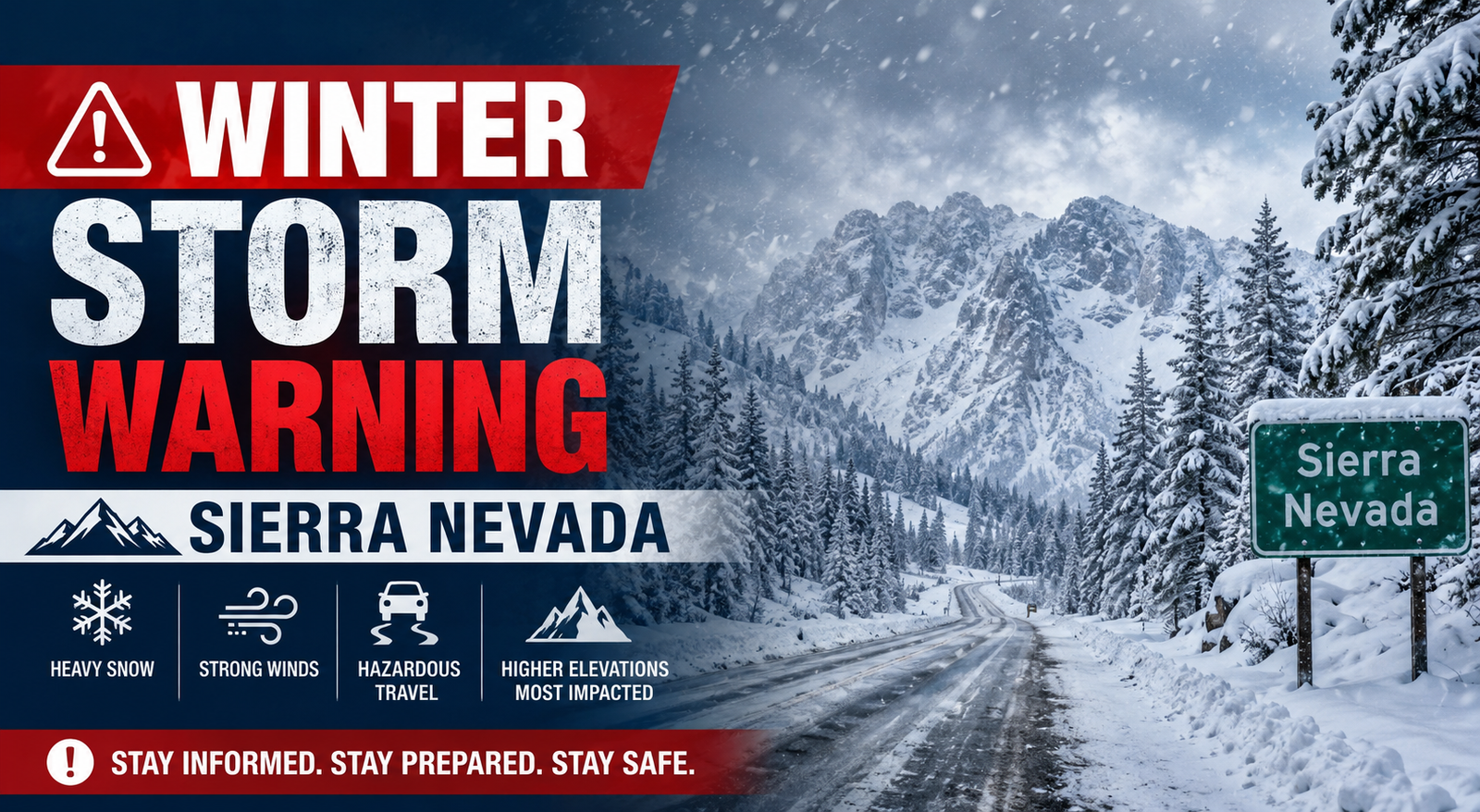
Winter Storm Warning Sierra Nevada. A winter storm warning in the Sierra Nevada is more than just a weather alert. It signals the likelihood of severe winter conditions that can significantly impact daily life, travel, and outdoor activities. When meteorologists issue this warning, it means that heavy snowfall, strong winds, freezing temperatures, or a combination of these conditions are expected within a specific time frame.
The Sierra Nevada mountain range is known for its stunning landscapes, world-class ski resorts, and diverse ecosystems. However, it is also one of the regions in the United States that experiences some of the most intense winter weather. Due to its elevation and geographical location, storms can develop rapidly and produce large amounts of snow in a short period. winter storm warning sierra nevada
For residents, travelers, and outdoor enthusiasts, understanding the significance of a winter storm warning is essential. These warnings are designed to help people prepare in advance, reduce risks, and make informed decisions before dangerous conditions arrive. Ignoring such warnings can lead to hazardous situations, especially in mountainous areas where weather can change unexpectedly.
Why the Sierra Nevada Is Prone to Severe Winter Storms
The Sierra Nevada’s unique geography plays a major role in creating intense winter weather. Moist air from the Pacific Ocean moves inland and rises over the mountains. As the air climbs higher, it cools and releases moisture in the form of snow, often resulting in significant accumulations across higher elevations. winter storm warning sierra nevada
Winter storms in this region can produce snowfall totals that exceed several feet within a matter of days. Strong winds frequently accompany these storms, creating whiteout conditions that reduce visibility and make travel extremely dangerous. In some cases, roads become impassable, and communities may experience temporary isolation.
Climate patterns such as atmospheric rivers can further intensify winter storms. These weather systems transport large amounts of moisture from the Pacific and can deliver prolonged periods of heavy precipitation. When temperatures are cold enough, this moisture falls as snow, leading to substantial accumulations across the Sierra Nevada. winter storm warning sierra nevada
Common Impacts of a Winter Storm Warning
One of the most immediate impacts of a winter storm warning is transportation disruption. Major highways and mountain passes can become covered with snow and ice, making driving difficult or impossible. Authorities may require tire chains, restrict access, or close roads altogether until conditions improve. winter storm warning sierra nevada
Power outages are another common consequence of severe winter storms. Heavy snow and strong winds can damage power lines, leaving homes and businesses without electricity. During prolonged outages, residents may face challenges related to heating, communication, and access to essential services.
Winter storms also affect recreation and tourism. While ski resorts often benefit from fresh snowfall, extreme weather can temporarily shut down lifts, close access roads, and create unsafe conditions for visitors. Hikers, campers, and backcountry adventurers face increased risks, including avalanches and exposure to dangerously low temperatures. winter storm warning sierra nevada
Preparing for a Winter Storm in the Sierra Nevada
Preparation is one of the most effective ways to stay safe during a winter storm warning. Residents should begin by monitoring reliable weather forecasts and emergency alerts. Understanding the expected timing and severity of the storm allows individuals to take necessary precautions before conditions deteriorate. winter storm warning sierra nevada
Building an emergency supply kit is another important step. Essential items include bottled water, non-perishable food, flashlights, extra batteries, blankets, first-aid supplies, and necessary medications. These supplies can provide comfort and security if travel becomes impossible or if power outages occur.
Vehicle preparedness is equally important. Drivers should ensure their vehicles are equipped with snow chains, emergency tools, extra clothing, and fully charged mobile devices. Keeping the fuel tank at least half full can help prevent fuel line freezing and provide a source of warmth if stranded unexpectedly. winter storm warning sierra nevada
Travel Safety During a Winter Storm Warning
Traveling during a winter storm warning should be avoided whenever possible. Snow-covered roads, icy surfaces, and reduced visibility can create extremely dangerous driving conditions. Even experienced drivers may find mountain roads challenging during severe weather events. winter storm warning sierra nevada
If travel is absolutely necessary, checking road conditions before departure is critical. Transportation agencies regularly update information regarding closures, chain requirements, and weather-related hazards. Having an alternative route and informing others of travel plans can also improve safety.
Motorists should drive slowly, maintain a safe distance from other vehicles, and avoid sudden braking or acceleration. Carrying emergency supplies, including food, water, blankets, and a phone charger, can make a significant difference if delays or unexpected situations occur during the journey. winter storm warning sierra nevada
The Importance of Avalanche Awareness
Winter storms often increase avalanche danger throughout the Sierra Nevada. Fresh snowfall combined with strong winds can create unstable snow layers that are susceptible to sudden collapse. Avalanches can occur naturally or be triggered by skiers, snowboarders, snowmobilers, and hikers.
Backcountry travelers should always check avalanche forecasts before heading into mountainous terrain. Understanding snow conditions and recognizing warning signs can help reduce the risk of becoming involved in an avalanche incident. Education and awareness remain essential tools for outdoor safety. winter storm warning sierra nevada
Proper equipment is equally important. Avalanche beacons, probes, and shovels are considered standard safety gear for backcountry activities. Traveling with experienced companions and knowing how to use emergency equipment can significantly improve survival chances in the event of an avalanche.
How Communities Respond to Winter Storm Warnings
Local authorities and emergency management agencies play a crucial role during winter storm events. Their responsibilities include monitoring weather conditions, issuing alerts, coordinating road maintenance, and providing emergency assistance to affected communities.
Road crews often work around the clock to clear snow and maintain safe transportation routes. These efforts help restore access to essential services and minimize disruptions caused by severe weather. However, extreme snowfall can sometimes overwhelm resources and delay recovery efforts. winter storm warning sierra nevada
Community preparedness also contributes to resilience. Neighbors frequently assist one another by sharing supplies, checking on vulnerable individuals, and supporting local emergency initiatives. Strong community cooperation can make a significant difference during challenging winter weather situations.
Final Thoughts on Winter Storm Warnings in the Sierra Nevada
A winter storm warning in the Sierra Nevada should always be taken seriously. The region’s mountainous terrain and rapidly changing weather patterns can create dangerous conditions that affect travel, infrastructure, and outdoor recreation. Staying informed and preparing in advance are key steps toward ensuring personal safety.
Whether you are a resident, visitor, or outdoor enthusiast, understanding the risks associated with severe winter weather can help you make better decisions. Monitoring forecasts, assembling emergency supplies, and avoiding unnecessary travel can significantly reduce the likelihood of weather-related problems.
The Sierra Nevada remains one of the most beautiful winter destinations in North America, but its beauty comes with challenges. By respecting weather warnings and practicing proper preparedness, individuals can safely navigate winter storms while minimizing risks to themselves and others.